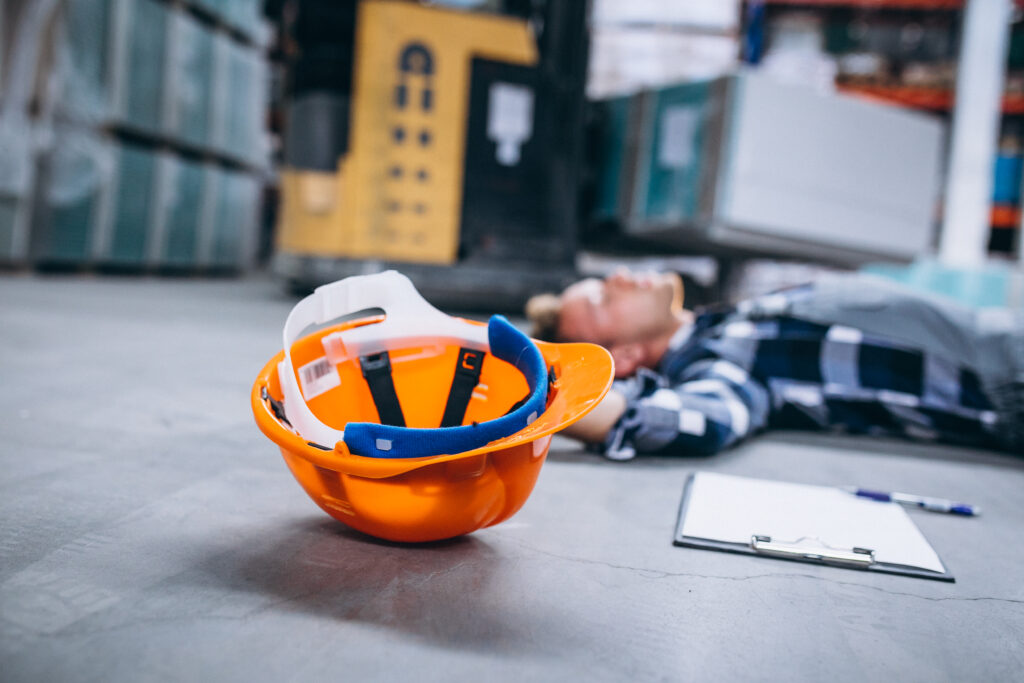
Every year, close to a thousand American workers suffer from a slip, trip or fall at work. Those are not just numbers, they’re real people, construction workers who perhaps didn’t see a tripping hazard, nurses slipping on freshly mopped floor, warehouse employees who didn’t see that unmarked cable and tripped. And while tragic, they’re preventable tragedies that not only cost businesses millions a year, but can tear families apart.
We know it can be frustrating when we remember that virtually all of these accidents could have been prevented. These are not complex safety engineering problems or expensive equipment upgrades. These are common slips, trips and falls in the workplace that are caused by simple hazards that everyone walks past everyday.
Here in Podor Law, we’ve represented hundreds of workers who were injured similarly. We’ve seen firsthand how in a second, a simple slip can lead to months of surgeries, and years of physical therapy, and potentially chronic pain for life. We also know how proper workplace safety could have prevented these horrible injuries. So to help pass this experience, we compiled this guide, which does not avoid compliance or avoiding lawsuits, although those matter too. But no, this is about making sure you and your coworkers go home safe everyday.
Understanding the Real Risks – Why This Matters
Let’s talk numbers, because usually that’s what gets the attention of higher management. The average slip and fall compensation claim runs about $45k to $50k, and that’s not counting hidden costs like overtime to cover the workers shifts, losses in productivity, potential OSHA fines, and yes, lawsuits. Nationwide, slip and falls in the workplace cost roughly $70 billion annually in medical costs and workers compensation.
But beyond just numbers, we need to also factor in the human cost. A 45 year old maintenance worker who fractured his hip from a fall, that’s not just a claim. That’s someone who might never return to their job, who will face months and perhaps years of rehabilitation, who won’t be able to play with their kids or even maintain their home. Beyond broken bones, even minor fall incidents can result in severe bruises, sprains, and psychological trauma. We’ve represented clients whose entire lives changed because someone didn’t clean up spills or fix an uneven surface.
These kinds of accidents don’t happen equally across all industries. Healthcare workers have to deal with constant spills, wet floor from cleaning, and the routine chaos of emergency situations. Construction workers face daily elevation risks, with falls from ladders and high places, but they also have to deal with debris, dangerous walking surfaces and bad weather conditions.But overall, warehousing, food service and retail are the categories where workplace injuries from slips and trips occur most frequently.
What really gets overlooked is how these injuries compound over time. A worker who suffers a serious trip or fall often develops compensatory movement patterns that lead to additional musculoskeletal problems. Depression and anxiety frequently follow mobility-limiting injuries. Families face financial stress when a primary earner can’t work. The ripple effects extend far beyond the initial incident report.
From a legal liability standpoint, employers need to understand that workers’ compensation isn’t always the end of the story. When negligence is involved – ignoring known hazards, failing to meet safety standards, or inadequate training – additional legal action becomes possible. We’ve seen severe cases where a simple wet floor sign could have prevented a six-figure settlement.
Breaking Down Slip, Trip and Fall Hazards
It’s common to hear people use these terms interchangeably, but it’s important to understand the differences since it can help to target prevention efforts more effectively. A slip happens when there is insufficient friction or traction between the footwear and the surface one is walking in, think stepping on a wet floor or an oily surface. Your foot will slide forward and/or backward, suddenly you will lose your balance, then your body will impact the floor. OSHAs classification system makes the distinction clear, because there is a difference in the ways to prevent a slip from preventing a trip.
Trips differ since they occur when your foot hits an unexpected object, obstacle or even a height change. For example, boxes, a curled edge, or an extension cord. These create trip hazards that may injure a worker. They also differ since trips often result in the victim falling forward, making them instinctively try to catch themselves with their hands and wrists.
Falls are usually the result of both slips and trips, and they encompass both same-level accidents as falls from tall heights. While falls from heights are often fatal, same-level falls actually cause more total injuries and lost work days, since, its important to know that a fall doesn’t require too much height to cause some serious damage, even just a few feet can result in fractures, concussions or spinal injuries.
Common hazards in the workplace multiply these base risks exponentially. Poor or inadequate lighting doesn’t just make it hard to see; it creates shadows that hide elevation changes and obscures slick spots. Weather brings water, ice, and snow indoors on footwear and clothing. Temperature extremes affect both surface conditions and human alertness levels, increasing the risk of falling.
The human element often serves as the final trigger that can result in slips. Workers rushing to meet deadlines don’t recognize and avoid hazards. Carrying loads that block vision prevents seeing clutter or obstacles. Distraction from phones or conversations diverts attention from where we’re stepping. Fatigue slows reaction times and impairs judgment. Even the most hazard-free workplace becomes unsafe when human factors aren’t addressed.
Your OSHA Compliance Roadmap
Now lets try to be as clear as possible and try to focus on what matters for compliance. The Occupational Safety and Health Administration’s Walking-Working Surfaces Standard essentially requires that workplace floors are always kept clean, dry, and free from hazards. It might sound really simple, but the devil’s in the implementation details.
For businesses in Florida and Ohio, both states operate under federal OSHA standards. For workers’ compensation reporting, Florida requires injuries to be reported to employers within 30 days of the incident. Ohio requires reporting “as early as possible,” with a one-year deadline to file claims with the Ohio Bureau of Workers’ Compensation. Missing these deadlines can jeopardize your eligibility for benefits.
Documentation isn’t an option anymore. Since 2017 standards have been updated, and employers must provide documented training on fall protection, and keep records of inspection for equipment, like fixed ladders, and fall arrest systems. It’s also crucial that the training can’t be generic either, it has to specifically address the hazards in the workplace.
Immediate Prevention Steps – Tips for Preventing Slips You Can Take Today
Thankfully, preventing slips, tips and falls is fairly easy and requires essentially no capital budget. Start with basic housekeeping fundamentals that cost nothing but attention, implement a “clean as you go” culture where every worker takes responsibility for their immediate area. This means if something spills, clean it immediately, not after finishing a task. It means picking the tools and materials after you use it, instead of leaving them on the floor for the next shift.
Proper lighting is something that doesn’t get enough attention. OSHA recommends at least 5-10 foot-candles in walking areas and stairs, but more is usually better with lighting. It’s also very important to replace those old burned out bulbs immediately to reduce the risk of accidents.
For spills, the speed of response matters more than perfection. Keep cleaning materials always within quick reach of any areas where liquids are used. Also, train everyone, not just janitors, on immediate response. Even if it took 5-10 minutes before someone cleaned the spill on the floor, someone could be injured by it. And do not be afraid to use the “wet floor” signs liberally, better to be overprotective than to face a massive injury lawsuit.
The footwear conversation often meets resistance, but wearing shoes with good traction significantly reduces slip incidents. You don’t need steel-toed PPE for office workers, but establishing minimum tread requirements for different work areas makes sense. Consider subsidizing appropriate footwear – a $50 shoe allowance costs far less than even a minor injury claim. Remember, the right safety footwear creates proper traction between the footwear and walking surface.
Footwear also belongs in this conversation of safety. Wearing shoes made with good traction can significantly reduce the possibility of slip accidents. No, you don’t need steel-toed PPE boots for office workers, but maybe establishing some standards in the kind of footwear used in different work to help prevent slips and falls can be something to consider.
Finally, teach safe working techniques. Short, deliberate steps on potentially slippery surfaces. Using the handrail every time, not just when carrying something. Facing ladders when climbing. These best practices need to become automatic through repetition and reinforcement. Regular toolbox talks keep safety top of mind and help identify potential hazards before they cause injuries.
Building a Complete Fall Prevention Safety Plan
Try having a proactive approach instead of reactive when it comes to safety. Waiting for accidents to happen just to address it on the spot will basically guarantee you’ll always be putting out fires. Effective workplaces anticipate problems through systematic hazard assessment, instead of waiting for them
Start with a proper risk assessment. Use a standardized checklist for your walk-through audit, following the guidelines in OSHA’s Model Fall Protection Plan. Don’t just look for obvious trip hazards – examine workflow patterns, peak traffic times, and transition zones. OSHA’s worker participation guidelines emphasize involving front-line workers to help identify risks – they know where the real problems hide. The new employee who asks “why is that cord always there?” often identifies avoidable hazards that veterans have learned to step over.
Your written safety plan needs teeth, not just good intentions. OSHA fall protection standards require specifying responsibilities for daily floor inspections, weekly stair checks, monthly lighting audits. Set measurable goals like “zero same-level fall incidents for 90 days” rather than vague commitments to “improve safety.”
Training can’t be a one-time checkbox exercise. OSHA’s construction fall protection guide makes clear that new employees need orientation before they hit the floor. Safety experts note that experienced workers need refreshers when complacency creeps in. Tailor training to specific roles – warehouse workers face different hazards than office staff. Use real examples from your workplace rather than generic safety videos.
The inspection schedule should balance thoroughness with practicality. Construction sites need weekly inspections; general industry should do monthly checks of specific areas and quarterly comprehensive audits. Industry best practices emphasize documenting everything to identify patterns.
Getting buy-in requires making safety everyone’s job. OSHA’s worker participation guidelines stress that safety committees work when they have actual authority to implement changes, not just make recommendations. When workers see management commitment through consistent enforcement and resource allocation, they will too.
What to Do When Prevention Fails
Despite following all safety protocols, accidents may still happen. And your response to the first critical moments will define everything that follows. First aid is always the most important priority, call 911 and avoid moving the victim unless they are in immediate danger. (For a detailed guide on immediate steps after a slip and fall, see our previous article.)
Document the incident immediately: Photograph everything, the spot where the accident took place, the area surrounding it and any and all contributing factors like spills, footwear conditions, and lighting levels. Get statements of all the witnesses while their memories are still fresh. All of those details can become crucial if OSHA investigates or litigation emerges. OSHAs recordkeeping requirements mandate that businesses document any injury in the workplace within seven days and report severe accidents. Fatalities must be reported within 8 hours, and hospitalizations, amputations or eye losses within 24 hours.
The return-to-work phase often determines long-term outcomes. Research shows that employees who return to modified duties recover three to four weeks faster than those who take paid leave. Rushing someone back too soon increases risk of re-injury and extended disability. But prolonged absence can lead to deconditioning and psychological barriers to returning. Best practices recommend structured return-to-work programs with graduated responsibilities, temporary modifications, and medical oversight to help workers recover while maintaining productivity.
Most importantly, treat every incident as a learning opportunity to prevent future occurrences. OSHA’s incident investigation guidelines emphasize conducting honest root-cause analysis without finger-pointing. Update procedures based on what went wrong. Share lessons learned across departments. The goal isn’t to assign blame but to identify and eliminate the hazardous conditions that caused the accident.
Conclusion
Preventing injuries like the ones mentioned throughout this article isn’t complex rocket science that requires decades of specialty or huge amounts of money. It’s about attention to basic safety standards. And if your workplace implements the strategies told in this article, your chances of workplace injuries will significantly drop as long as they are implemented systematically through not only the culture but in basic workplace standards, rather than having them done sporadically every now-and-then.
For business owners reading this, please consider the actual cost of inaction. A minor trip hazard, whatever it could be, that you’ve been meaning to fix for quite a time now, could potentially trigger a snowball effect of consequences that can cost you and your business millions and even ruin someone else’s life. Always remember that the time to act is always before the accident, not after.
For workers, you have both rights and responsibilities on this matter. You deserve a workplace free of hazardous spots and negligence, and the law will always be on your side in order for your employer to provide one. But safety also requires you to be proactive, follow safety protocols, report hazards, and always look out for your coworkers.
If you’ve already been injured in a workplace slip, trip, or fall, you need more than general safety advice. You need experienced legal representation that understands both the complexities of workplace injury law and the real impact these injuries have on workers’ lives. Contact Podor Law for a consultation. We’ve helped hundreds of injured workers navigate the legal system and secure the compensation they deserve. Don’t let a preventable workplace accident derail your future – know your rights and get the help you need.
Sources
- U.S. Bureau of Labor Statistics – Latest Injury Numbers
- OSHA Slips, Trips, Falls Safety Committee Handout
- CDC NIOSH – About Falls in the Workplace
- PubMed – Non-fatal Occupational Falls Study
- National Safety Council – Workers’ Compensation Costs
- Liberty Mutual Workplace Safety Index
- eCFR – 29 CFR 1910.22 General Requirements
- OSHA Hospital eTool – Slips/Trips/Falls
- OSHA Final Rule – Walking-Working Surfaces
- OSHA Hospital Housekeeping – Slips/Trips/Falls
- CDC Young Workers – Slips, Trips, Falls Prevention
- OSHA Recordkeeping Overview