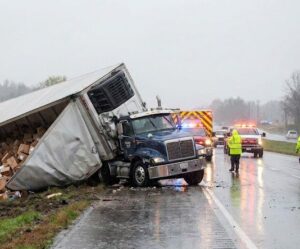
A collision with a commercial truck isn’t just another fender-bender. The sheer physics of it – tens of thousands of pounds of steel meeting your vehicle – creates a fundamentally different situation than a typical auto accident. In those first minutes after impact, while you’re still processing what happened, the clock is already ticking on critical steps to take that will affect your recovery for months or years to come.
Here’s what most truck accident victims don’t realize: within hours of your accident, the trucking company likely has investigators at the accident site, lawyers reviewing the case, and insurance adjusters working to minimize their liability. Large trucking companies maintain 24/7 rapid response teams specifically for this purpose. Meanwhile, you’re dealing with injuries, shock, and trying to figure out your next move.
The difference between truck accidents and regular crashes goes beyond just size and severity. Federal regulations govern commercial vehicles, creating layers of complexity around evidence, liability, and insurance coverage. In 2022 alone, 5,936 people died in crashes involving large trucks, and thousands more suffered life-altering injuries. These aren’t statistics you want to become part of, but if you’re reading this after being injured in a truck accident, you need clear, prioritized guidance on how to protect your rights – physically, financially, and legally.
This guide breaks down exactly what steps to take after a truck accident, hour by hour, starting from the scene of an accident through the critical first few days. Every action matters, and taking the right steps immediately after an accident can mean the difference between fair compensation and getting steamrolled by corporate legal teams.
Your First Priority – Safety and Medical Response
Your brain after a serious accident isn’t operating at full capacity. Shock and adrenaline create a dangerous combination that can mask serious injuries and cloud judgment. Let’s cut through that fog with clear priorities.
First, check yourself for injuries. Can you move all your limbs? Is there any bleeding? Even if you feel “fine,” understand that adrenaline acts as nature’s painkiller, often hiding serious injuries that won’t become apparent until hours or days later. I’ve seen clients walk away from accidents feeling okay, only to discover herniated discs or internal injuries the next day.
Call 911 immediately. When you speak with the dispatcher, be specific: mention it’s an accident involving a truck, describe any visible injuries, and provide your exact location. If anyone appears hurt – even slightly – make that clear. The dispatcher needs this information to send appropriate emergency medical attention.
If you can safely exit your vehicle and move to the shoulder or sidewalk, do so to stay safe. But here’s what many don’t consider: you must stay at the scene. Leaving before police arrive, even to seek medical attention right away on your own, can be construed as leaving the scene of an accident. The only exception is if you’re being transported by ambulance for emergency care. Wait for the police to ensure proper documentation.
Turn on your hazard lights immediately. If you have flares or reflective triangles, set them out to warn approaching traffic – but only if you can do so without putting yourself in danger. Secondary accidents are common, especially on highways.
When paramedics arrive, be honest about every sensation you’re experiencing. That slight neck stiffness? Mention it. Feeling dizzy? Say so. This isn’t the time for stoicism. Medical documentation starts here, and the driver’s insurance company will scrutinize any gap between the accident and your first medical complaints. If EMTs recommend hospital transport, take it. The $1,000 ambulance ride is nothing compared to the ammunition you give insurance companies by refusing medical attention.
Critical Evidence to Gather Before You Leave
While you’re still at the accident site, you have a unique opportunity to gather evidence that will never exist again in quite the same way. The trucking company’s investigators may arrive within hours, but right after the accident, you have access to the fresh scene and everyone involved in the accident.
Start with photographs – lots of them. Your phone is your best friend here. Capture the vehicles from different angles and distances before they’re moved. Get wide shots showing the entire accident scene, including traffic signals, road signs, and weather conditions. Document skid marks, debris patterns, and any cargo that may have spilled. These details fade quickly – rain washes away skid marks, and cleanup crews remove debris. Each piece of evidence helps establish the circumstances of the accident.
The truck itself holds critical information. Look for the USDOT number, typically displayed on the cab door as required by federal regulations. This number is your key to unlocking the carrier’s safety history, insurance information, and compliance records. Photograph it clearly, along with the license plates of both the tractor and trailer – they’re often registered separately. This information at the scene helps identify all parties and their insurance coverage.
Witnesses are gold in any truck accident case. People stop, help, and then disappear forever if you don’t capture their information. It’s best to talk to witnesses while their memories are fresh. Approach anyone who saw the accident happened and get their name and phone number. If they’re willing, use your phone’s voice recorder to capture a brief statement. Even something simple like “I saw driver error when the truck ran the red light” can be invaluable later.
Exchange information with the truck driver’s, but keep conversation minimal. Get their commercial driver’s license number, insurance information, and employer details. Note anything unusual – do they seem impaired? Are they on the phone with their company? Are they trying to move evidence? Document everything that might help establish the cause of the accident or determine fault or liability.
When police arrive, get the officer’s name and badge number. Ask how to obtain the accident report – you’ll typically receive a case number. This report becomes crucial for insurance claims and legal proceedings.
Here’s what trucking companies hope you don’t know: their trucks contain electronic logging devices and engine control modules that record crucial data about speed, braking, and driver hours. This data can be overwritten or lost within days or weeks. While you can’t access this data at the scene, knowing it exists means your attorney can act quickly to preserve it.
What to Say (And Never Say) at the Scene
Words spoken following an accident have a way of becoming permanent. Insurance companies and defense attorneys will parse every statement, looking for admissions that reduce their client’s liability. Let me be crystal clear about this: even saying “I’m sorry” can be interpreted as an admission of fault, potentially complicating your insurance claim. Everything you say can be used against you later, so avoid admitting fault completely.
When speaking with police, stick to objective facts. “The truck hit my vehicle while I was in my lane” is good. “I might have been distracted” is catastrophic to your truck accident case. If you’re unsure about something, say “I’m not certain” rather than guessing. The police report will reflect these initial statements, and changing your story later undermines credibility. Never admit fault or liability, even partially.
The truck driver might be apologetic, angry, or even try to convince you not to call police. Sometimes they’ll claim it’s a minor incident that insurance can handle directly. Don’t fall for this. Professional drivers know the implications of accidents on their commercial driving records. Some might pressure you to accept cash on the spot. Never agree to this – you have no idea yet what your accident injury might cost or what vehicle damage you’ve sustained.
If someone claiming to represent the trucking company or their insurance arrives at the scene (and they often do), you have zero obligation to speak with them. They might seem helpful, even sympathetic, but make no mistake – they’re gathering information to use against you. A polite “I’ll need to speak with my insurance company first” ends the conversation.
With witnesses, gather information but don’t coach or influence their statements. Ask what they saw regarding the truck crash and others involved in the accident, not whether they saw the truck run the light. Their independent observations carry more weight than prompted responses. Talk to witnesses naturally about what they observed.
Emergency medical technicians need accurate information about your symptoms, not fault assessments. Tell them where you hurt, what happened to your body during impact, but skip the play-by-play of whose fault it was.
The First 24 Hours – Medical and Insurance Steps
The adrenaline is wearing off, you’re home or in a hospital, and reality is setting in. These next 24 hours are crucial for both your physical recovery and your legal position to secure maximum compensation.
Even if you walked away from the scene, see a doctor within 24 hours. I cannot overstate this importance, especially in Florida where failing to seek medical treatment within 14 days can forfeit your PIP (Personal Injury Protection) benefits. But beyond insurance requirements, delayed injury symptoms are the rule, not the exception, in serious accidents.
Tell your doctor about every abnormal sensation. That “minor” headache could be a concussion. The “stiffness” might be a herniated disc. Create a paper trail linking your injuries to the vehicle accident. If new symptoms emerge over the next few days – and they often do – seek immediate medical attention and explicitly connect them to the accident to strengthen your case. Complete documentation of your injuries is essential.
Contact your insurance company within the timeline required by your policy – usually 24 to 72 hours. Inform your insurance provider about the basic facts: when, where, and that a commercial auto was involved. However, be cautious about providing detailed statements. Your own insurance company isn’t your enemy, but anything you say can be discovered by the trucking company’s lawyers later. When you file an insurance claim, stick to the facts.
Start an injury journal immediately. Each day, document your pain levels, limitations, medications taken, and activities you cannot perform. “Day 2: Cannot turn neck to check blind spot. Missed work. Required help dressing.” These contemporaneous notes carry significant weight in demonstrating the accident’s impact on your daily life.
Preserve all physical evidence. Your damaged vehicle is evidence – don’t authorize repairs until insurance adjusters have thoroughly documented it. Keep bloodied clothing, broken personal items, and anything else that shows the violence of the impact. Take photos of developing bruises and injuries daily, as they often look worse 48-72 hours post-accident.
The trucking company’s insurance will likely contact you within this window. They might offer a quick settlement, sometimes arriving at your home or hospital with a check. This is a trap. They’re offering pennies on the dollar before you know the extent of your injuries. Politely decline to discuss anything without legal representation. You’re under no obligation to provide them with a recorded statement, and doing so almost never helps your case. A personal injury lawyer can handle these communications while you focus on recovery.
Why Trucking Companies Have the Upper Hand (And How to Level the Playing Field)
Let me give you an idea of what you’re up against. Within hours of a serious accident, trucking companies deploy rapid response teams that include investigators, adjusters, and attorneys. While you’re getting X-rays to ensure your health and safety, they’re photographing skid marks and talking to anyone else involved in the crash. While you’re filling out hospital paperwork, they’re interviewing witnesses.
These companies understand evidence has an expiration date. Electronic logging device data can be overwritten after six months, and maintenance records need only be kept for one year. Some less scrupulous operators might “lose” damaging evidence even sooner if they’re not legally compelled to preserve it.
The insurance coverage alone is overwhelming. Federal law requires trucks to carry insurance with minimum coverage between $750,000 and $5 million depending on cargo, but many carry multiple layers of coverage through different insurers. Each one has teams of lawyers whose job is to pay you as little as possible and prevent you from getting fair compensation.
Corporate structures in trucking can be deliberately complex. The truck might be owned by one company, leased to another, with the driver employed by a third. This shell game is designed to limit liability and make it harder for victims to recover full compensation.
So how do you fight back? Speed and expertise. An experienced truck accident lawyer can immediately send spoliation letters – legal documents requiring the preservation of all evidence. They can file emergency motions to inspect and download the truck’s “black box” data before it disappears. A truck accident attorney knows which federal regulations to investigate and how violations strengthen your case to achieve maximum compensation.
Your attorney can also identify all potentially liable parties and their insurance coverage. That truck that hit you might have multiple insurance policies totaling millions, but the insurance companies won’t volunteer that information. Legal discovery tools can force them to reveal these details.
Most importantly, once you have legal representation, all communication goes through your attorney. The daily calls from insurance adjusters stop. The pressure tactics end. You focus on healing while your legal team focuses on building your case.
State-Specific Requirements for Florida and Ohio
The state where your accident occurred dramatically affects your legal obligations and options. Let me break down the critical differences for our primary service areas.
Florida Requirements
Florida operates under a no-fault insurance system, which confuses many accident victims. Your own Personal Injury Protection (PIP) coverage pays first, regardless of fault, up to $10,000. But here’s the catch: you must seek medical treatment within 14 days to access these benefits. Miss that window, and you’ve given away $10,000 in coverage.
Florida recently changed its comparative negligence law. As of March 2023, if you’re found more than 50% at fault, you recover nothing. Previously, you could be 99% at fault and still recover 1% of your damages. This change raises the stakes significantly.
The statute of limitations changed too. For accidents after March 24, 2023, you have only two years to file a lawsuit, down from four years. Two years sounds like plenty of time, but when you’re dealing with serious injuries and complex trucking cases, it goes fast.
Ohio Requirements
Ohio is an at-fault state, meaning the responsible party’s insurance covers all damages from the start. There’s no PIP requirement, but this also means you might wait longer for compensation while fault is determined.
Ohio also uses the 51% bar rule for comparative negligence. If you’re equally at fault or less, you can recover damages reduced by your percentage of fault. More than 50% at fault? You recover nothing.
Ohio’s statute of limitations for personal injury is two years, aligning with Florida’s new law.
Quick Reference Table
| Requirement | Florida | Ohio |
| Insurance System | No-Fault (PIP required) | At-Fault (traditional tort) |
| Medical Treatment Deadline | Within 14 days for PIP | No specific deadline |
| Comparative Fault Threshold | 51% bar | 51% bar |
| Statute of Limitations | 2 years (post-March 2023) | 2 years |
| Minimum Truck Insurance | $750,000-$5,000,000 | $750,000-$5,000,000 |
| Accident Reporting Threshold | $500 in damage | $1,000 in damage |
Building Your Case From Day One
Your case begins the moment metal meets metal, not when you hire an attorney or file a lawsuit. Every action you take becomes part of the narrative that determines your compensation.
Create a dedicated file – physical or digital – for everything related to the accident. Every medical receipt, every insurance letter, every work absence note. Organization isn’t just helpful; it’s essential when dealing with multiple insurance companies, medical providers, and legal proceedings.
Track expenses meticulously. Obviously, medical bills and car repairs, but also the $12 parking at the hospital, the $30 Uber rides to physical therapy, the $200 for household help because you can’t lift anything. These “incidental” expenses add up to thousands of dollars that should be compensated.
Your injury journal becomes more valuable over time. Insurance companies love to argue that injuries aren’t that bad if you’re not constantly complaining. Your daily documentation counters this. “Week 3: Still can’t sleep through the night. Pain wakes me every time I roll over. Missed daughter’s soccer game because I can’t sit on bleachers.” This is the human cost that medical records don’t capture.
Follow every medical recommendation religiously. Skipped physical therapy appointments or unfilled prescriptions become ammunition for the defense. They’ll argue you failed to mitigate damages. If treatment isn’t working or you can’t afford it, document why and discuss alternatives with your providers.
Stay off social media, or at least stay silent about the accident. I’ve seen strong cases destroyed by a single Facebook photo. You claim debilitating back pain, but there you are playing with your kids at the park. Never mind that you were gritting your teeth through excruciating pain for your child’s birthday – the photo doesn’t show that context. Insurance investigators absolutely check social media. Make your profiles private and post nothing about the accident, your injuries, or activities.
Prepare for a marathon, not a sprint. Serious truck accident cases often take 12-18 months to resolve, sometimes longer if litigation is necessary. The trucking company’s strategy often involves delay, hoping you’ll get desperate and accept a lowball offer. Having proper legal representation means you can weather these tactics while your case builds strength.
Conclusion
A truck accident throws your entire life into chaos. Medical decisions, insurance requirements, legal deadlines – they all demand immediate attention when you’re least equipped to handle them. But now you have a roadmap through that chaos.
Remember, trucking companies started building their defense the moment their driver called in the accident. They have teams of professionals whose only job is to minimize what they pay you. They know the federal regulations, the evidence preservation requirements, and exactly how long they need to keep records before destroying them. They’re counting on you being overwhelmed, underinformed, and unrepresented.
Taking the right steps immediately – securing medical care, preserving evidence, avoiding damaging statements, and meeting state-specific requirements – provides the foundation for fair compensation. But these steps are just the beginning. The complexity of trucking regulations, the multiple insurance policies, the corporate structures designed to limit liability – navigating these requires professional legal expertise.
The trucking company has lawyers working for them right now. You deserve someone fighting just as hard for you. Every day that passes without proper legal representation is a day evidence could disappear, witnesses could forget, and your case could weaken.
If you or a loved one has been injured in a truck accident, contact Podor Law immediately. Our experienced truck accident attorneys know exactly how to preserve critical evidence, deal with aggressive insurance companies, and build the strongest possible case for your recovery. We work on contingency – you pay nothing unless we win your case.
Don’t let the trucking company’s head start become an insurmountable advantage. Call us today for a free consultation. Because while they have teams of lawyers working against you, you need someone fighting for you.
Sources
- Rapid Response Teams & the Importance of Prompt Investigation – Georgia Trucking Accident Attorney
- Traffic Safety Facts 2022 Data: Large Trucks – National Transportation Safety Board
- Why Pain Sustained During Auto Accidents is Often Delayed – Memorial Springs ER
- Involved in a Crash? – Florida Department of Highway Safety and Motor Vehicles
- Knowing What To Do After An Auto Accident – Insurance Information Institute
- What Happens When Your Road Trip Goes Awry? – AAA Oregon/Idaho
- 49 CFR 390.21 – Marking of self-propelled CMVs – Electronic Code of Federal Regulations
- How long must a motor carrier retain ELD records? – Federal Motor Carrier Safety Administration
- The Motor Carrier Safety Planner – FMCSA Compliance, Safety, Accountability
- Insurance Filing Requirements – Federal Motor Carrier Safety Administration
- Florida Statute 627.736 – Florida Legislature
- Florida Statute 768.81 – Florida Legislature
- Florida’s New Personal Injury Statute of Limitations – Rosen Injury Law
- Reporting a Car Accident in Ohio – Slater & Zurz
- What if I Am Partially At-Fault for My Accident in Ohio? – HMW Law
- Ohio Personal Injury Laws and Statutes of Limitations – Nolo Legal Encyclopedia